Climate-resilient rice production using natural silicate rock soil amendments
We make rice farming smarter:
lower emissions, healthier soils, and better yields.
We spread crushed silicate rock across flooded rice fields. The rock suppresses methane formation in the soil while weathering pulls CO₂ from the air. Silicon released along the way strengthens the rice.
The lever
Flooded rice is one of the largest human sources of methane.
In waterlogged soil, microbes produce methane, a greenhouse gas far more potent than CO₂ in the near term. Cutting methane is the fastest way to slow warming this decade.
of human-caused methane comes from rice paddies
the near-term warming power of methane vs CO₂
greenhouse gases we measure: CH₄ · N₂O · CO₂
How it works
From crushed rock to captured carbon.
Enhanced weathering speeds up a natural process that has regulated Earth's climate for millions of years. In a flooded paddy, it also suppresses methane.
-
01
Spread
Crushed silicate feedstock is spread across the flooded field. Grinding it fine gives the rock a large surface area to react quickly with the water.
-
02
React
Submerged, the rock weathers and shifts soil chemistry in ways that can suppress methanogenesis.
-
03
Capture
Mineral weathering converts atmospheric CO₂ into dissolved bicarbonate. Methane and nitrous oxide emissions fall alongside.
-
04
Regenerate
Released silicon strengthens rice stalks and feeds the soil, acting as a natural mineral fertiliser for higher, sturdier yields.
Measurement · reporting · verification
How we measure.
Every number comes from a real field reading, gas by gas and plot by plot.
Gas domes
Sealed flux chambers sit over the crop and capture direct emissions of CH₄, N₂O and CO₂.
The field trial
A live, replicated field trial.
The trial covers twelve rice plots grouped into four randomised blocks, tracking three greenhouse gases from baseline through harvest.
rice plots under continuous trial
randomised complete blocks
gases measured: CH₄ · N₂O · CO₂
gas-flux chamber readings
full growing season, baseline to harvest
Randomised. Replicated. Blocked.
Every block holds both treated and control plots, and the treatment is assigned at random within each block. Replicating across four blocks cancels out the quirks of any single patch of ground, so the only thing that differs between a treated plot and its neighbour is the crushed rock. A representative subset sits under a sealed gas dome all season for direct flux readings.
In the field
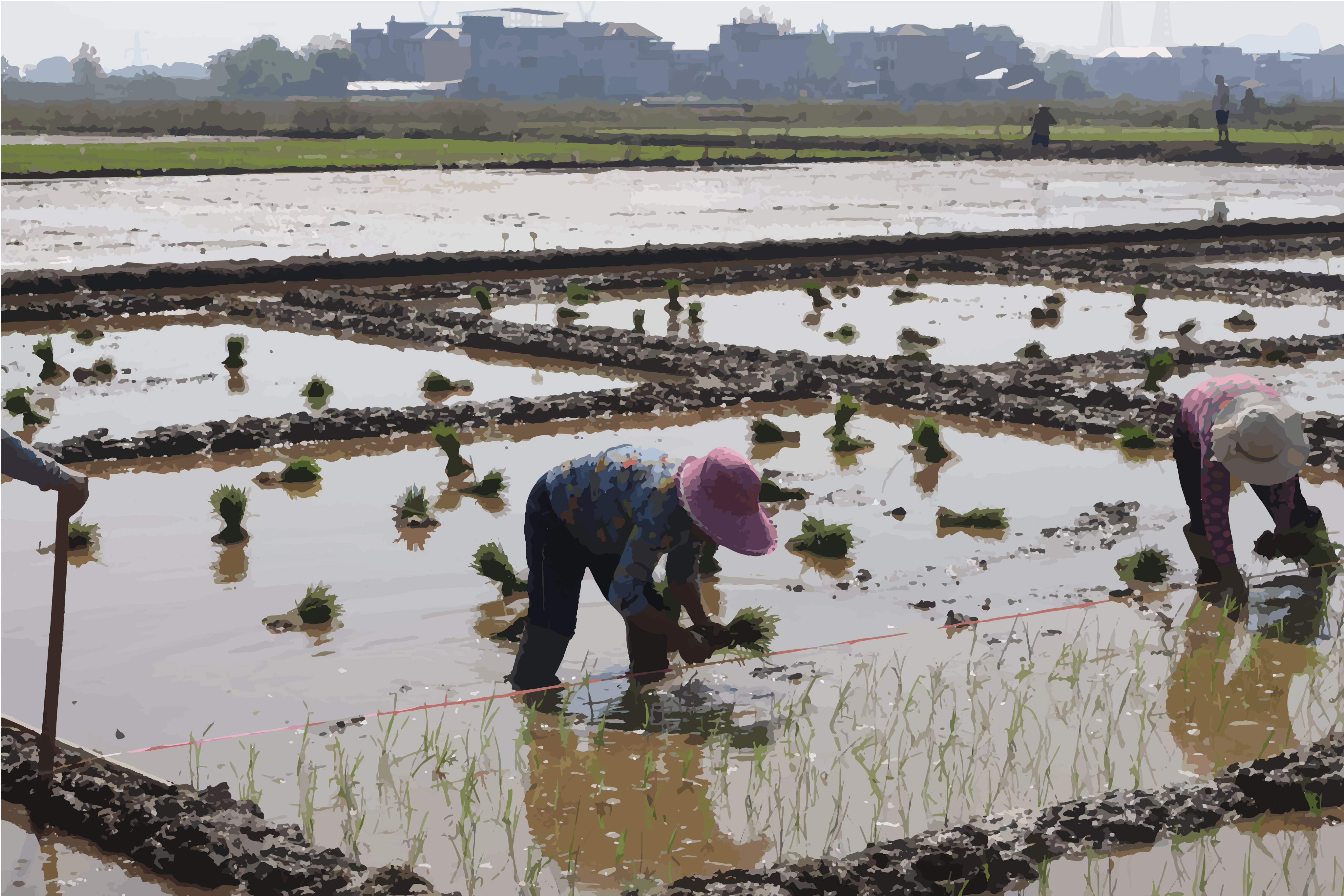
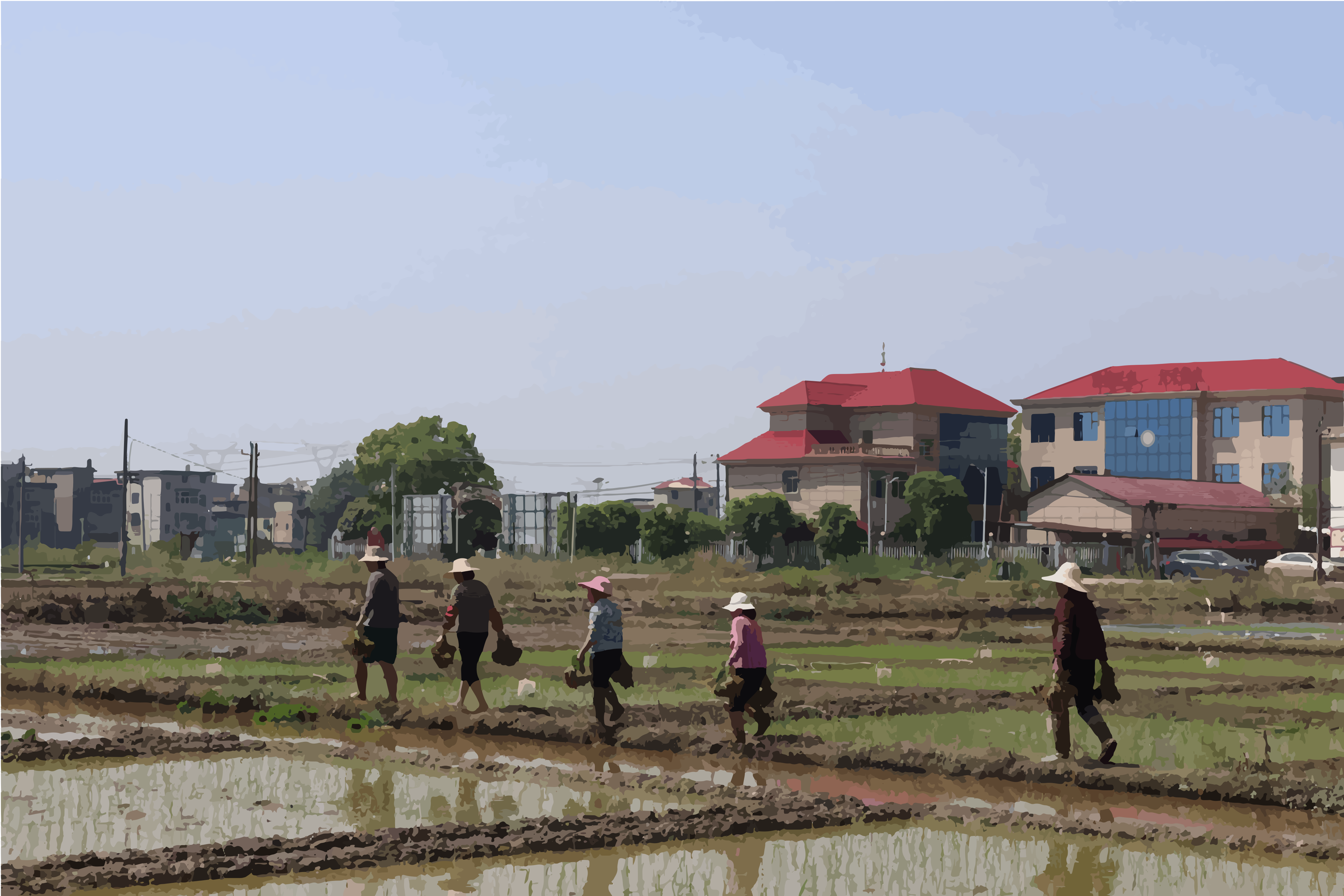
Crushed silicate feedstock spread across the flooded field.
A sealed flux chamber captures CH₄, N₂O and CO₂ in situ.
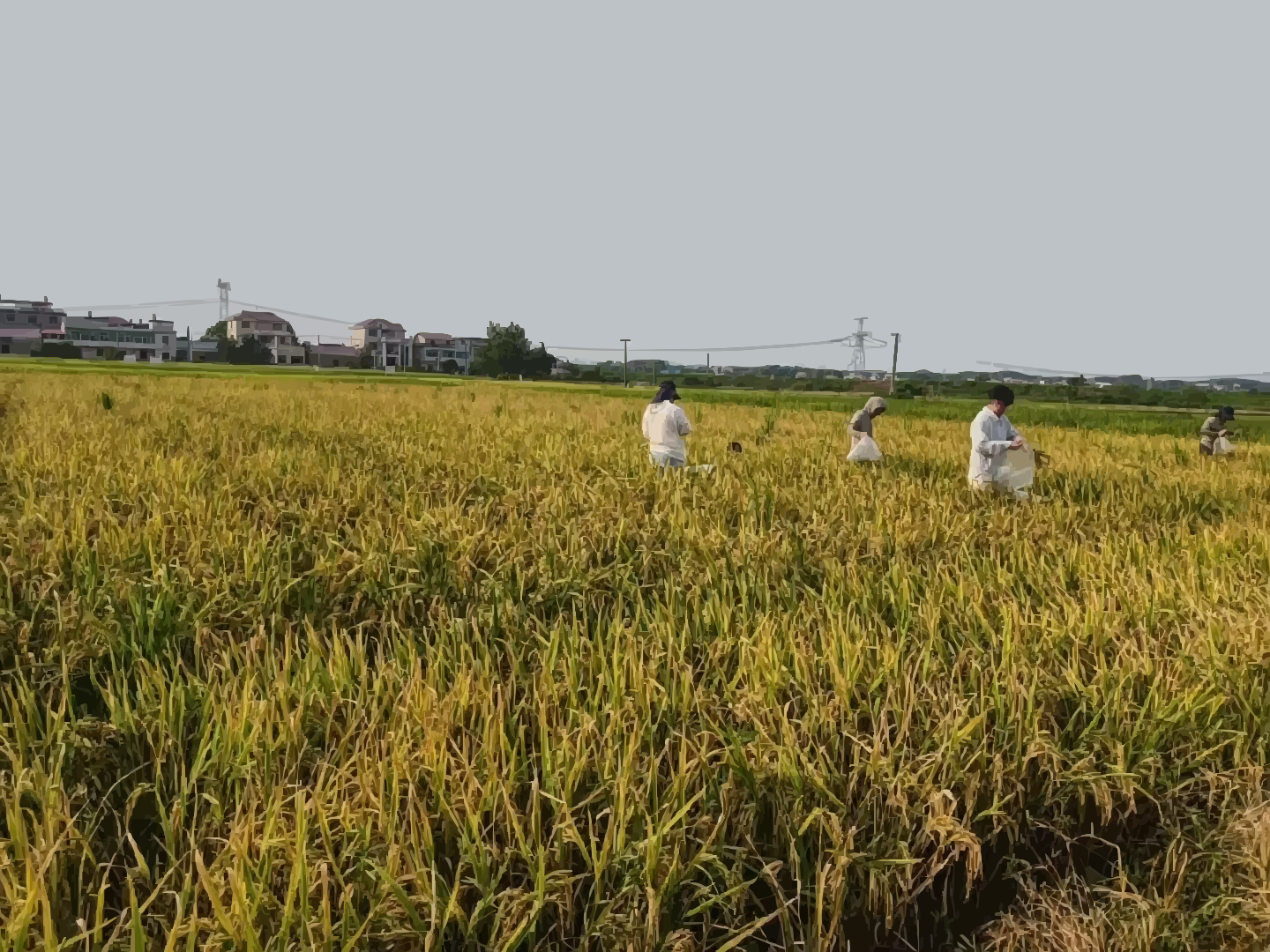
Silicon-strengthened stalks stand firmer against lodging.
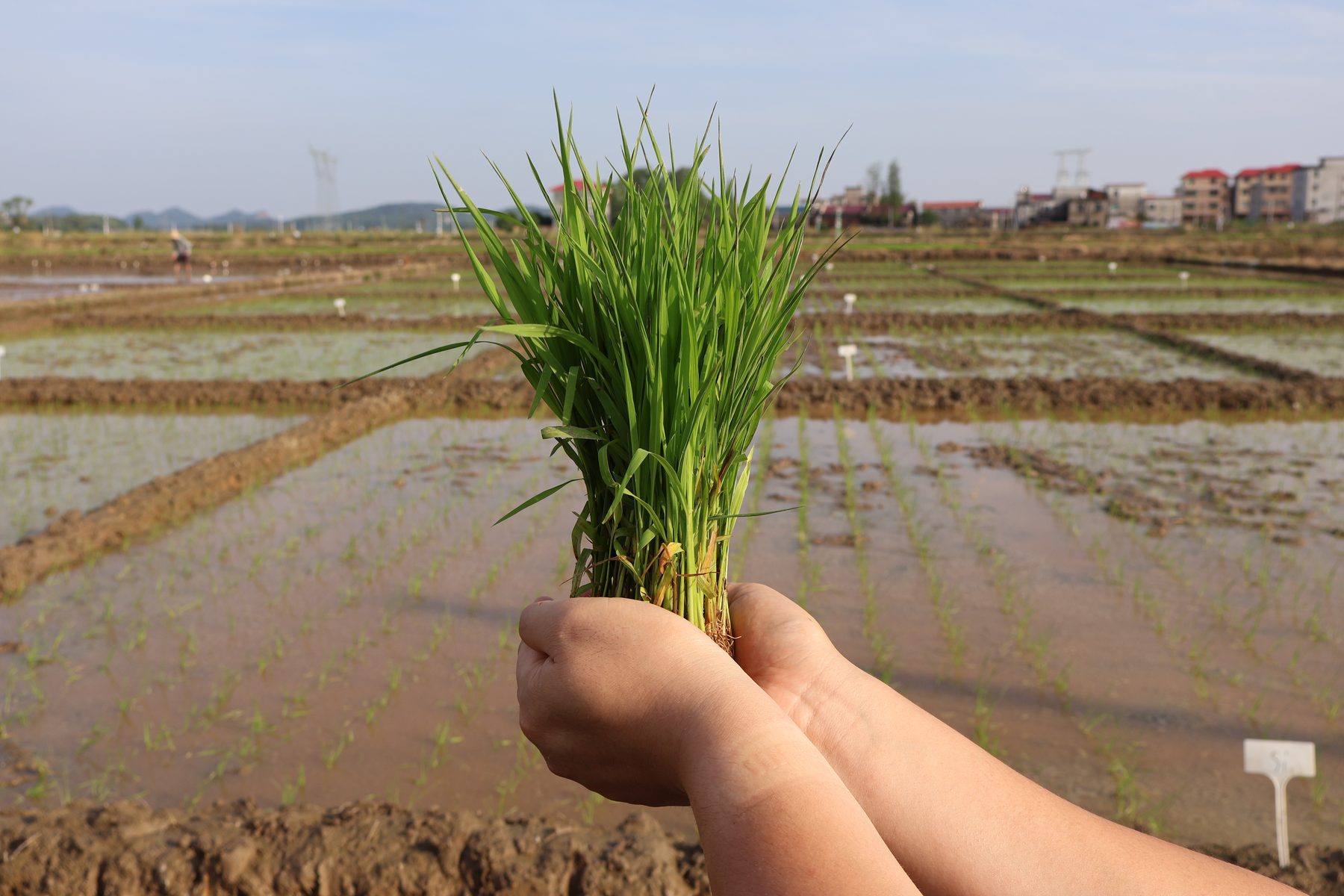
Rice seedlings raised in the trial paddies. Plot markers dot the replicated fields behind.
From field to credit
-
01
Baseline
Pre-application soil, water and flux readings set the reference point for every plot.
-
02
Application
Feedstock is weighed, spread and logged plot by plot. Dose is recorded per plot.
-
03
Season
Weekly gas-flux readings and crop monitoring run through the full growing season.
-
04
Harvest
Yield and grain quality are recorded against each individual plot.
-
05
Verification
Independent MRV turns the season’s readings into issued, auditable credits.
See the numbers behind a tonne.
If you are a buyer, partner or scientist who wants the raw protocol, plot-level data or a visit to the trial, we will walk you through every reading.
The credit
Permanent, additional, high-integrity carbon credits for the world's most rigorous buyers.
Built for buyers who read the methodology before they buy the credit.
Get in touch
Send us a note.
The Sixth Element is operating in stealth. If you are a prospective buyer, partner or scientist, leave your email and we will reach out.